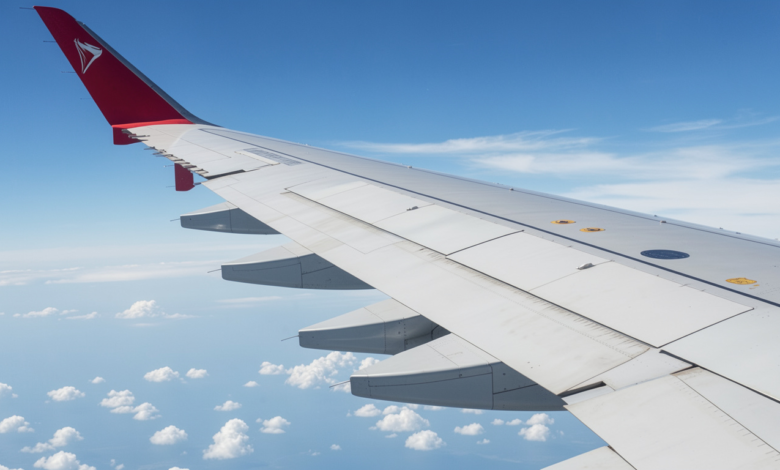
Have you ever looked out of an airplane window during a trip? You might have noticed a piece of the wing moving up or down. That is often a part of the wing structure helping the plane change speed or direction. While many people just call them wings, parts like the delta flight wing flap are very special. They help big jets take off smoothly and land safely every single time. Pilots use these tools to control the air moving over the plane. Without the delta flight wing flap, flying would be much harder for our talented pilots.
What is a Wing Flap on a Plane?
A flap is a movable panel attached to the back of an airplane wing. When a pilot wants to go slower, they extend the delta flight wing flap out. This makes the wing look bigger and changes its shape. By changing the shape, the plane gets more lift from the air. This lift is what keeps the plane flying even when it moves slowly. It is like putting your hand out of a car window and tilting it. You can feel the air push your hand up. Flaps do the exact same thing for the airplane.
Why Pilots Use Flaps During Takeoff
Takeoff is a very busy time for any flight crew. The plane needs to gain enough speed to lift off the ground. By using the delta flight wing flap, the plane can lift up at a lower speed. This is very helpful when a runway is not extremely long. The flaps give the plane extra power to climb into the sky quickly. If a pilot did not use a delta flight wing flap, the plane might need a much longer runway. It makes flying much safer for everyone on board the aircraft during those first few minutes.
The Magic of Landing with Flaps
Landing is perhaps the most important time to use these special parts. When a plane comes in to land, it needs to go quite slow. If it goes too fast, it might overshoot the runway. The delta flight wing flap helps the plane slow down while still staying in the air. By pushing the flaps down, the plane creates more drag. This drag acts like a gentle brake for the heavy metal bird. Because of the delta flight wing flap, the plane can touch down softly and stop exactly where it needs to.
Comparing Different Wing Designs
Not all wings are shaped the same way. Some are straight, while others are shaped like a triangle. A triangle shape is often called a delta wing. A delta flight wing flap on this type of plane works a bit differently. Because the wing is shorter and wider, the flaps have to be very strong. Engineers spend many years testing how a delta flight wing flap reacts to wind. They want to make sure the plane stays balanced in the air. It is a perfect mix of physics and clever engineering work.
How Pilots Control the Flaps
You might wonder how a pilot moves these big parts. Inside the cockpit, there is a special lever just for the flaps. The pilot moves this lever to different positions like 1, 2, or 3. Each number tells the delta flight wing flap exactly how far to slide out. The plane’s computer then makes sure both wings move at the exact same time. This keeps the plane level so it does not tip to one side. It is a very smart system that helps keep all passengers safe and sound.
Keeping the Mechanism Working Well
Airplanes have to be checked very often by experts. Mechanics look closely at the delta flight wing flap to ensure it is clean. They check for any loose bolts or parts that might be worn out. Safety is the number one goal in the aviation world. Because the delta flight wing flap is used on every single flight, it needs extra care. These mechanics are like doctors for airplanes. They make sure every single part is ready for the next big adventure in the clouds.
The Physics Behind Lift and Drag
Flying is all about understanding air. Air has weight, even though we cannot see it. When air moves over a wing, it creates lift to push the plane up. When we use the delta flight wing flap, we change how the air flows. We add more lift for slow speeds and more drag to slow us down. Think of it like a kite. If you pull the string just right, it flies high. The delta flight wing flap is how pilots pull the strings of their plane.
Fun Facts About Plane Wings
Did you know that some flaps can extend in two different ways? Some slide back first, and then they drop down. This helps create even more surface area for the wind to hit. A delta flight wing flap is designed for speed and agility. This is why you see them on fighter jets and some large passenger planes. Engineers are always finding new ways to make the delta flight wing flap lighter and stronger. It is amazing how much technology fits into one wing.
Training to Use Wing Flaps
Pilots go to school for a long time to learn about these parts. They use giant machines called simulators to practice flying. In these simulators, they can pretend that a flap has stopped working. They learn how to land the plane safely even in bad weather. Knowing how the delta flight wing flap works is a key part of their test. They must show they can handle any problem that comes their way. It takes a lot of skill to be a great pilot.
The Future of Wing Technology
Technology is always getting better every single year. Scientists are looking at how birds fly to make better wings. We might see a delta flight wing flap that changes shape like a bird’s feather. This would make planes even quieter and save a lot of fuel. Imagine a future where planes are even more gentle on the environment. The delta flight wing flap will continue to be a big part of that bright future. We are learning new things about flight every day.
Important Plane Terms
| Term | What it Means |
| Lift | The force that keeps a plane in the sky. |
| Drag | The force that slows a plane down. |
| Cockpit | The room where the pilots control the plane. |
| Runway | The long road where planes take off and land. |
| Mechanism | The moving parts that make the flap work. |
Frequently Asked Questions
1. Do all airplanes have flaps?
Almost all large planes have them, but some small planes do not need them at all.
2. Can a plane fly if the flaps get stuck?
Yes, pilots are trained to land safely even if the flaps do not move.
3. Why do flaps make noise?
The noise is just the sound of the wind rushing over the new shape of the wing.
4. How fast does a plane go when flaps are down?
It depends on the plane, but it is usually much slower than its top cruising speed.
5. Are flaps used while the plane is flying high?
No, flaps are usually only used for taking off or coming in to land.
6. Who invented the wing flap?
Early aviation pioneers developed them to help planes land on shorter tracks.
Final Thoughts
We hope you enjoyed learning about the delta flight wing flap today! Next time you travel, take a peek out the window during your landing. You will see the flaps in action, working hard to bring you home safely. Do you have a favorite part about how airplanes work, or do you have a question about your next flight? Let us know in the comments below!